

Beyond the standard amenities and services, we need to understand the importance of carefully curating sensory experiences that create a memorable journey for passengers every step of the way. So, let us explore the seven senses that help us define a great customer experience for airlines and how we can leverage these to reinvent our products, services, and interiors to make them stay in the memories of passengers well after they travel.
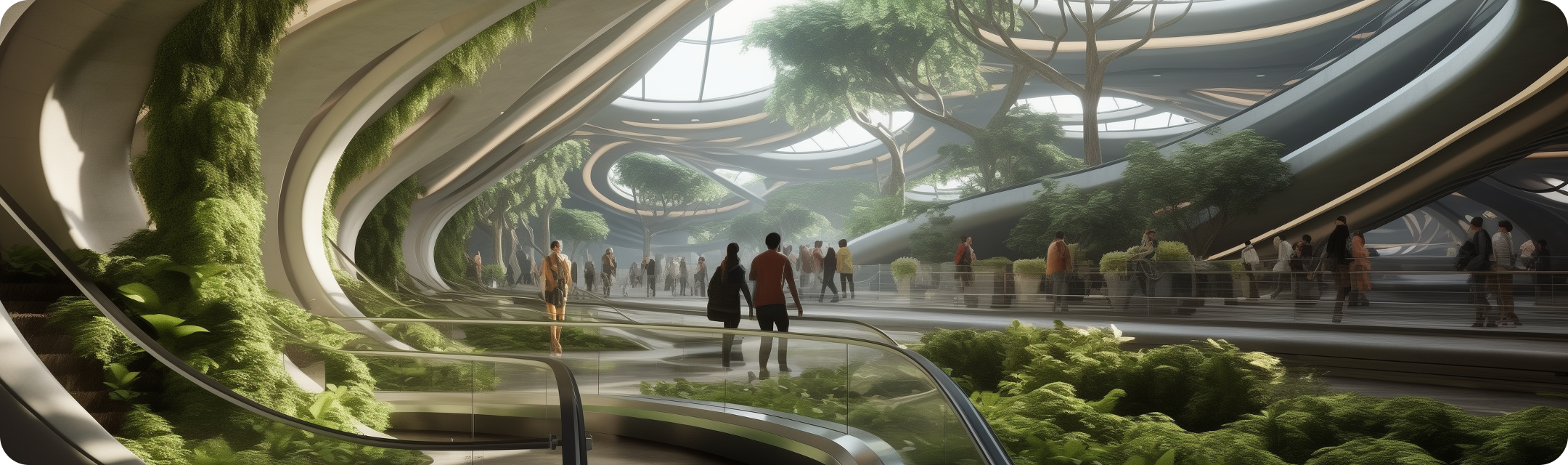
What we see
Visual aesthetics play a significant role in shaping our perception of an airline. From the moment passengers are captivated by a 360 walkthrough on the airline website to seeing a design-forward airport from a distance, immerse themselves in the still and nature-infused sanctuary of a world-class lounge, or relax in their cosy private suite on board with a grand cinematic experience, the ambience should invoke a sense of comfort and luxury. Impeccably clean cabins, well-designed interiors, technology-enabled experiences, and elegant, warm lighting can make a world of difference in creating a visually appealing atmosphere that makes every customer feel special.
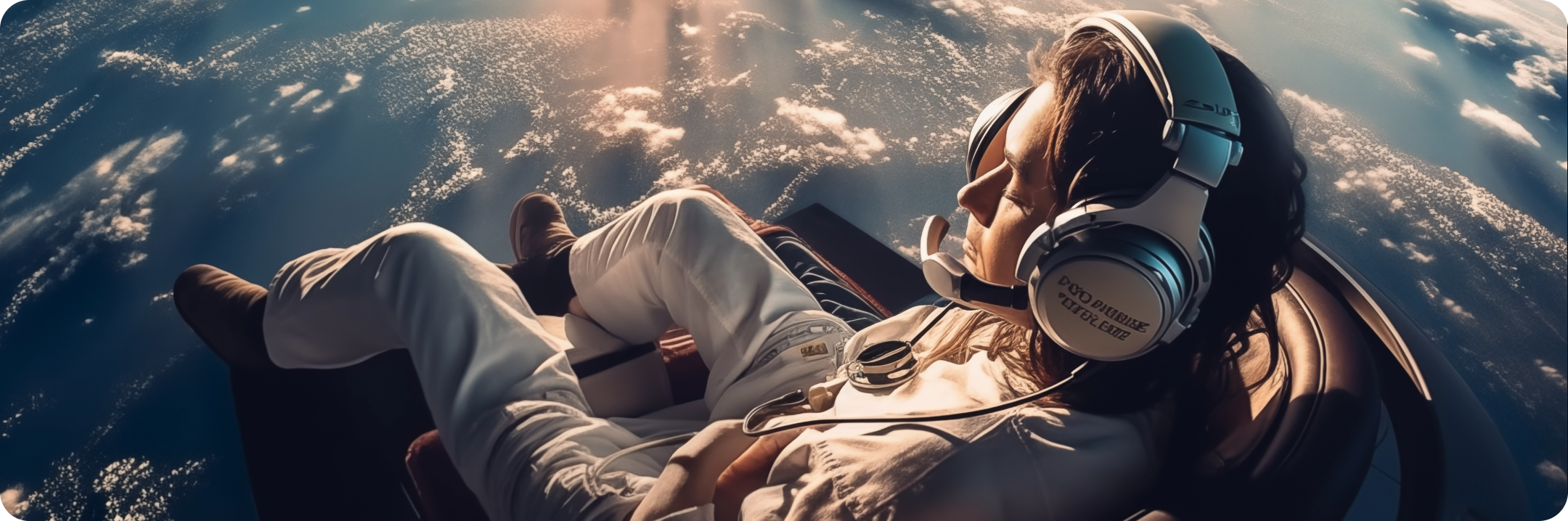

What we hear
With the hustle and bustle of travel, airlines find it hard to design every layer of their experience to evoke a sense of tranquillity. For the frequent flyer, it is critical for airlines not only to understand but also to put into practice the process of creating a harmonious soundscape in their airports, lounges, and inflight. Cabin crew and ground staff announcements should be clear and concise or sent directly to passengers’ devices, ensuring that passengers receive vital information only without feeling overwhelmed; carefully chosen and signature boarding music, soothing ambient sounds in the lounges like dreamy water features and high-quality noise-cancellation headphones can contribute to a pleasant and relaxing journey.


What we smell
While many travellers associate the smell of flying with food, crowded spaces, and often jet fuel, airlines can break this perception by creating a bespoke fragrance that envelopes customers’ senses throughout their journey. By carefully curating the right fragrance and using it consistently across all touchpoints, airlines can create a sensory experience that reinforces the brand image, builds brand loyalty, and associates the experience with pleasant feelings and memories. Imagine arriving at check-in with a gentle fragrance of refreshing citrus, being offered a boarding pass that offers the same scent, entering the lounge and inflight with the same refreshing aroma, and again, a sample-size fragrance in the amenity kit, infusing signature scents that become synonymous with their brand.


What we taste
There is a greater understanding of customer tastes, preferences, quality ingredient sourcing, creative plating and menu design now than ever before. But why are we still waiting to witness daring gastronomic innovations inflight or Michelin Stars awarded to global lounges? Whether airlines hire Michelin star chefs in their lounges or to design their inflight menus, work with international farmers to source the freshest produce, train inflight chefs to creatively plate and tailor meals inflight or partner with the world’s leading tableware brands to elevate their presentation, each element needs to be carefully curated, tested and then reinvented at every menu cycle change. It’s the only way airlines can ensure a touch of indulgence and sensory satisfaction with the flavours throughout their journey.


What we touch
Ergonomic-designed seating and fully reclining flat beds, luxuriously soft blankets, plush pillows, and silk-like eye masks redefine feeling pampered during your journey. While these may be the world’s best airline standards, there is still room for reinvention. From elevating spa treatments in the lounges to leading skincare partnerships inflight, designing sleepwear that is the epitome of comfort and sourcing the finest sustainable materials for interior trim and finish, every element should be thought of to elevate the tactile experience. Create a sensory feeling that takes customers back down memory lane in a warm, cozy bed with their favourite blanket.

Our balance and motion
It’s no secret that all new aircraft manufacturers prioritise providing a smooth and stable flight experience through advanced stabilisation systems to help minimise turbulence and create a more stable cabin environment. However, at times, it is unavoidable, and airlines must go beyond this by developing wellness programmes that balance the mind, body and soul in the lounges and inflight, enabling passengers to harness this sense of balance through turbulent times. Above all else, the highly skilled and trained crew can create balance by anticipating customer needs and anxiety through empathetic and attentive delivery and going the extra mile to personalise experiences, strengthening the emotional bond between the airline and the customer.
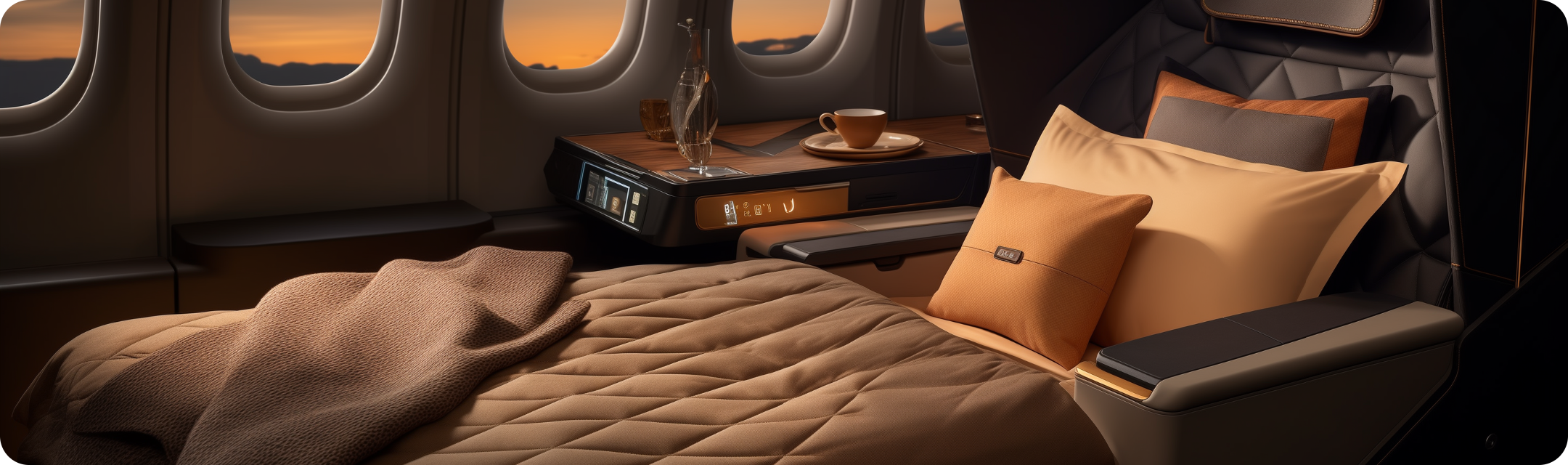
How we perceive location, movement and action intuitively
Often referred to as ‘proprioception’, this sense is our ability to sense things in proximity to our body when our eyes are closed. How often have you sat in a business class seat and cannot reach the controls, you’ve hit the call bell, and the crew members are busy with other guests or when you’re in the lounge, and the chargers are far away from your seat? Consider these fundamentals when designing future aircraft interiors: controlling the windows, closing the partition, reclining fully flat, making the space quiet and ordering their inflight meal directly to their suite without having to move or call for the crew. In the lounge, there are even more opportunities for reinvention through intelligent design, where technology enables customers to work, rest, relax, and eat without moving. If not, why not? Is it genuinely improving overall customer satisfaction if we don’t harmoniously integrate technology?
As we move into 2024, competition in the global aviation industry will be fiercer than ever before and airlines that understand and consciously adapt their experience by engaging all seven senses are the ones that will drive innovation. It can be as simple as using these seven senses to improve new product development ideas or evolve existing experiences. By crafting a journey that immerses passengers in a world of comfort, luxury, and personalisation, airlines will create memorable experiences that build lifetime loyalty.
If you found the article informative, please follow our company page on LinkedIn 👍, comment and share the article.